
Eco-Friendly Junk Car Removal: What Actually Happens to Your Vehicle
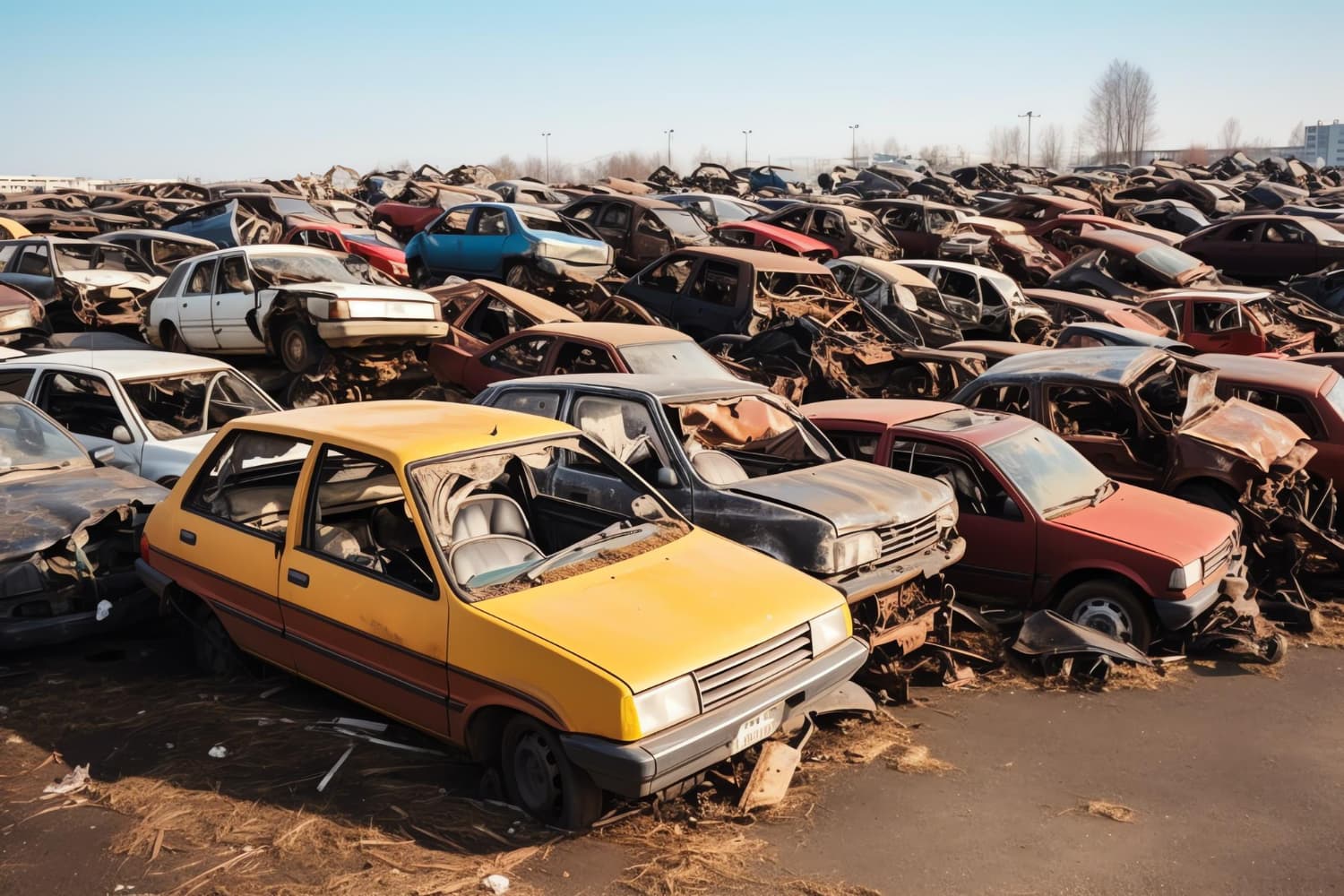
A vehicle that's left sitting, whether in a driveway, a yard, or a storage lot, isn't doing the environment any favors. Fluids can leak into soil over time, and materials that could otherwise be recovered and reused just go to waste. Selling it to be properly recycled is one of the more responsible options available.
Step One: Removing Fluids and Hazardous Materials
Before a vehicle is processed further, fluids like oil, coolant, transmission fluid, and refrigerant are drained and handled separately, along with the battery and other hazardous materials. This step matters most for the environment: these are the materials that cause real harm if a vehicle is left to deteriorate untouched instead of being properly processed.
Step Two: Recovering Usable Parts
Components still in good condition, engines, transmissions, body panels, and other parts, are recovered for resale rather than scrapped outright. This extends the useful life of those parts in other vehicles and reduces demand for newly manufactured replacements.
Step Three: Recycling The Remaining Metal
Once usable parts are removed, the remaining vehicle body is shredded and the metal is recycled. Industry estimates put a substantial majority of a typical vehicle's material, often cited around 75-86%, as ultimately recycled, reused, or recovered in some form, rather than sent to a landfill.
Why This Matters More Than It Might Seem
Cars contain a mix of steel, aluminum, and other metals that are energy-intensive to mine and produce from scratch. Recycling that material instead of producing new metal reduces the overall environmental footprint of vehicle manufacturing more broadly, not just the footprint of the one vehicle being scrapped.
What This Means If You're Selling
If you have an old vehicle that's no longer running, or one you've simply decided to part with, selling it for proper recycling is a straightforward way to make sure it's handled responsibly instead of sitting and deteriorating. Our guide on what to expect on pickup day covers what happens once you're ready to sell.
Frequently Asked Questions
What happens to the fluids in my car when it's scrapped?
Oil, coolant, transmission fluid, and other fluids are drained and handled separately before the rest of the vehicle is processed, along with the battery and other hazardous materials.
Do all the parts get shredded?
No. Components still in usable condition are typically recovered for resale first. Only the remaining body and structure go through shredding and metal recycling.
Is scrapping an old car actually better for the environment than keeping it?
A vehicle left sitting unused can leak fluids into the surrounding soil over time and leaves recoverable materials unused. Properly recycling it is generally the more responsible option.
More Like This
How to Choose the Right Junk Car Removal Service
Not every junk car buyer works the same way. Here's what's worth checking before you commit to one.
How Much Is My Junk Car Worth?
There's no fixed price list for junk cars. Here's what actually goes into an offer, and how to get an accurate one for your vehicle.
Do You Need a Title to Sell a Junk Car in Michigan?
In almost every case, yes: a title is the standard document Michigan requires to sell a vehicle, including to a junk car buyer. Here's what to do if you don't have one.
Ready To Move Forward?
Request an offer and we'll get a free pickup scheduled.